What Marina Operators Actually Need From Financial Reporting
Marina financial reporting doesn't need to be complex. Learn which reports actually help operators understand occupancy, revenue, and seasonality—and which ones don't.
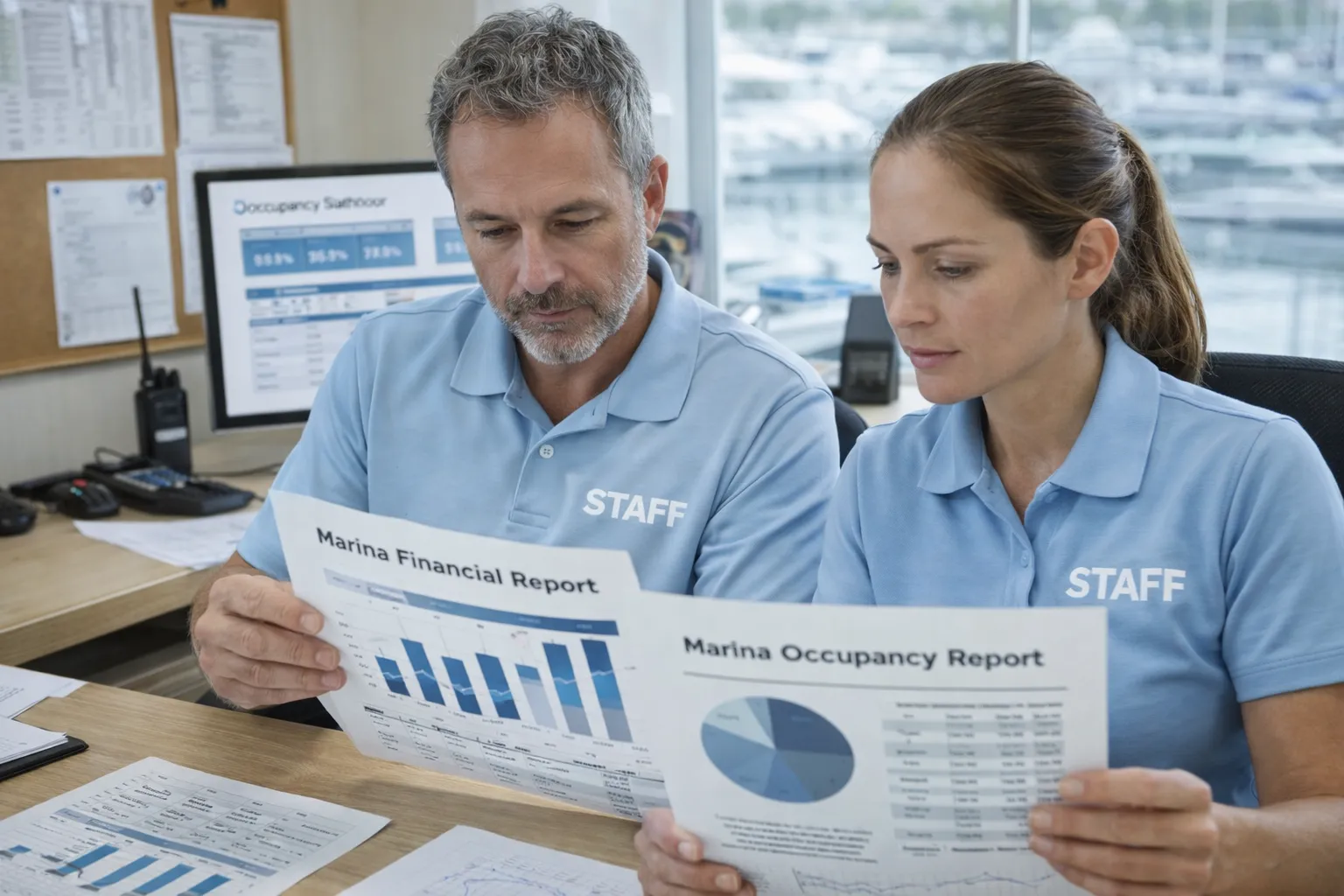
Most marinas already have some form of financial reporting.
The problem isn’t a lack of data — it’s that the data often doesn’t line up with what actually happened on the docks.
Marina operators don’t need more charts. They need clear answers to practical questions about occupancy, revenue, and how the season is really performing.
The Disconnect Between Financials and Operations
In many marinas, financial reporting lives in accounting software, while day-to-day operations live somewhere else:
- spreadsheets
- notebooks
- reservation systems
- whiteboards
- staff knowledge
When these systems aren’t connected, reports start to drift away from reality.
Operators end up asking:
- Were we actually full that weekend?
- Did we capture all transient stays?
- Why does revenue feel lower than expected?
- Which slips are underutilized?
Accounting reports alone rarely answer these questions.
Reports Marina Operators Actually Care About
Across different marina types, the same reporting needs come up again and again.
1. Occupancy Over Time
Not just “how many slips do we have,” but:
- daily and weekly occupancy
- seasonal trends
- peak vs off-peak usage
- overnight stays vs long-term tenants
Occupancy tells the real story of how the marina is being used.
2. Transient vs Tenant Revenue
Operators want to understand:
- how much revenue comes from monthly tenants
- how much comes from transient stays
- how after-hours arrivals impact totals
- where revenue is being missed
This breakdown is critical for pricing, staffing, and planning.
3. Revenue by Slip or Area
Not all slips perform equally.
Useful questions include:
- which docks generate the most revenue
- which areas sit empty more often
- whether pricing aligns with demand
Without tying revenue to actual slip usage, these insights are impossible to see.
4. Seasonality and Trends
Marina operations are seasonal by nature.
Good reporting highlights:
- year-over-year comparisons
- busy vs slow periods
- how weather or events affect usage
- whether changes actually improved performance
This helps operators plan staffing, maintenance, and pricing more confidently.
Why Generic Dashboards Miss the Mark
Many reporting tools focus on:
- abstract KPIs
- overly complex charts
- metrics designed for SaaS or retail
Marinas don’t operate like those businesses.
What operators need is contextual reporting — numbers that reflect real-world activity on the docks, not just transactions in a ledger.
When Reporting Becomes Useful (Not Just Informative)
Financial reporting becomes truly useful when:
- occupancy data matches reality
- reservations and billing are connected
- after-hours stays are captured automatically
- staff don’t need to reconcile data manually
At that point, reports stop being something you review later and start being something you can act on.
Where Slipboss Fits In
Slipboss was built to connect operations and financials, not treat them as separate worlds.
It provides reporting based on:
- actual slip occupancy
- public and staff-managed bookings
- monthly tenant billing
- captured after-hours arrivals
- real usage over time
The result is reporting that reflects what actually happened — not what staff managed to piece together later.
Better Reporting Starts With Better Data
Marina financial reporting doesn’t need to be complicated. It needs to be accurate, connected, and grounded in operations.
When booking, billing, and occupancy live in the same system, reporting becomes simpler — and far more reliable.
If This Sounds Familiar
If your marina’s financial reports don’t quite match what you see happening day to day, it may be worth looking at how your operational data feeds into reporting.
If you’d like to see how Slipboss approaches marina financial reporting in practice, I’m happy to walk through it or answer questions — no pressure, just a conversation.