The Real Problem With Managing Marina Reservations in Spreadsheets
Spreadsheets are still common for marina reservations—but they break down fast. Learn why manual reservation tracking causes errors, missed stays, and extra work for staff.
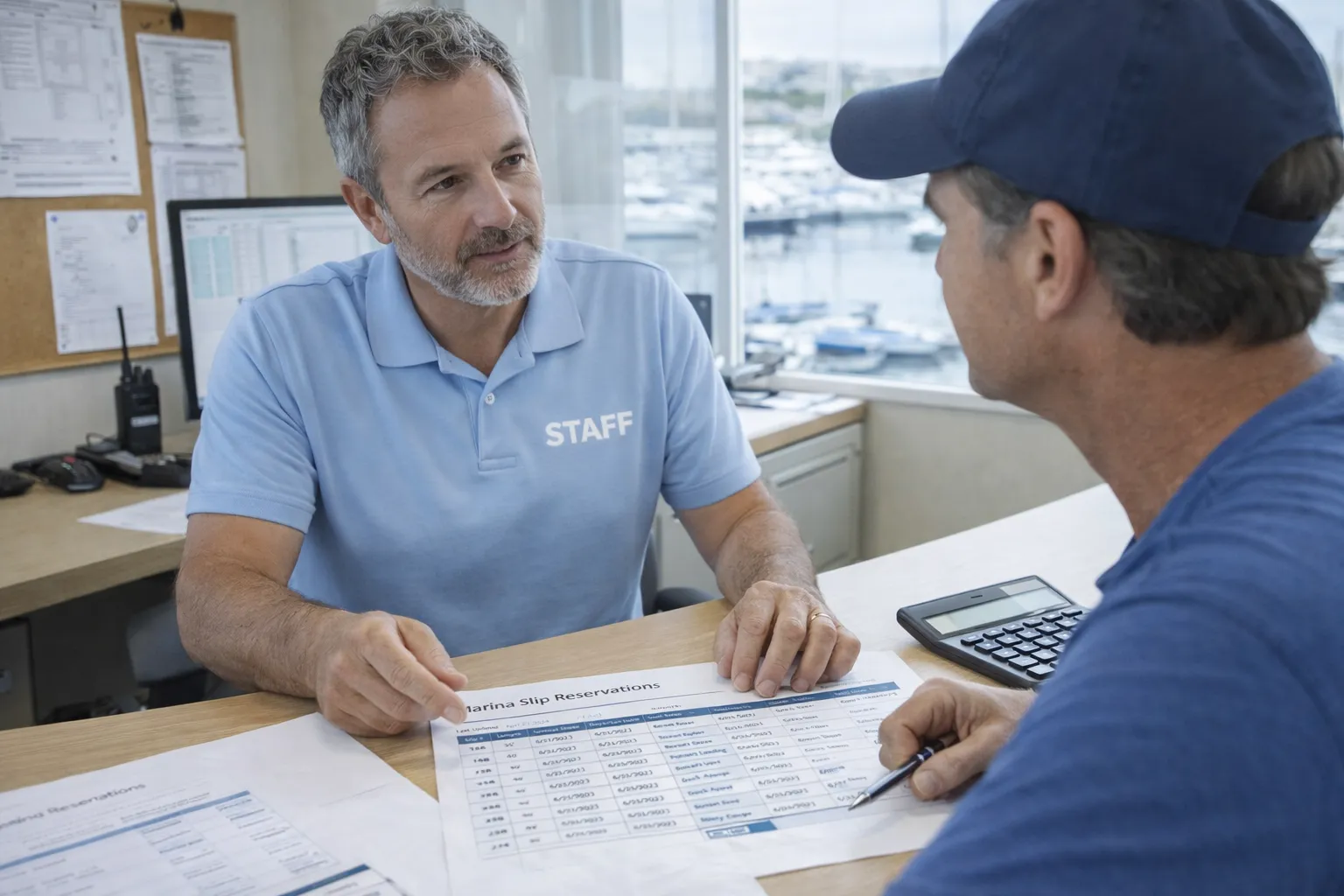
Walk into almost any marina office and you’ll find some version of the same thing:
a spreadsheet tracking slips, reservations, arrivals, departures, and notes.
Spreadsheets are familiar, flexible, and easy to start with. For a while, they work.
The problem is that marina reservations don’t stay simple.
Why Spreadsheets Feel Like the Right Tool (At First)
Spreadsheets stick around because they solve an immediate need:
- quick to set up
- easy to edit
- no training required
- works offline
- feels “good enough”
For smaller marinas or slow seasons, this can be perfectly fine.
But as soon as reservation volume increases — or multiple people touch the same data — cracks start to form.
Where Spreadsheet-Based Reservation Tracking Breaks Down
Marina reservations are inherently dynamic:
- arrivals change
- boats leave early
- slips shift
- transients overlap
- staff rotate
- seasons get busy
Spreadsheets struggle with this reality.
Common issues marinas run into:
- multiple versions of the same file
- changes not communicated between shifts
- overwritten or lost entries
- unclear slip assignments
- manual reconciliation after the fact
- no reliable audit trail
None of these are caused by bad processes — they’re caused by tools that weren’t designed for live operations.
The Staff Dependency Problem
When reservation tracking lives in a spreadsheet, it often lives in someone’s head too.
One person knows:
- which tab is current
- which notes matter
- which rows are outdated
- which exceptions were handled verbally
That creates risk:
- vacations
- sick days
- shift changes
- turnover
Marina operations shouldn’t depend on tribal knowledge to stay accurate.
Why This Gets Worse During Peak Season
During peak months:
- reservation volume increases
- staff are busier
- changes happen faster
- mistakes are more costly
This is when spreadsheets tend to fail hardest:
- slips get double-booked
- arrivals aren’t logged correctly
- staff spend time reconciling instead of helping boaters
- billing and reporting lag behind reality
By the time issues are noticed, they’ve already created extra work.
What a Purpose-Built Reservation System Does Differently
A marina reservation system isn’t just a digital spreadsheet. It’s designed around how marinas actually operate.
Key differences include:
- one shared source of truth
- real-time updates across staff
- clear visibility into slip occupancy
- reservations tied directly to boats and dates
- automatic handling of arrivals and departures
- accurate records without manual cleanup
Instead of managing exceptions, staff work from current, reliable information.
How This Affects Boaters
Reservation friction doesn’t just impact staff — boaters feel it too.
From the boater’s perspective, spreadsheet-driven processes often result in:
- unclear confirmations
- confusion on arrival
- uncertainty about slip assignments
- inconsistent payment handling
These are small moments that shape whether a boater returns or recommends a marina.
Where Slipboss Fits In
Slipboss was built specifically to replace spreadsheets and whiteboards in marina operations.
It supports:
- staff-managed reservations
- public booking for transient slips
- after-hours self check-in
- monthly tenant billing
- financial reporting and analytics
Most importantly, it keeps reservations, occupancy, and payments aligned in one place — so staff don’t have to reconcile reality after the fact.
Spreadsheets Aren’t Bad — They’re Just Not Enough
Spreadsheets will always be useful tools. But as soon as marina reservations become active, shared, and time-sensitive, they start to work against the operation instead of supporting it.
Modern reservation management isn’t about complexity.
It’s about clarity, continuity, and reducing cleanup work.
If This Feels Familiar
If your marina is still managing reservations in spreadsheets — and it’s starting to feel fragile during busy periods — it may be worth exploring tools designed specifically for marina operations.
If you’d like to see how Slipboss handles reservations alongside booking, billing, and reporting, I’m happy to walk through it or answer questions — no pressure, just a conversation.